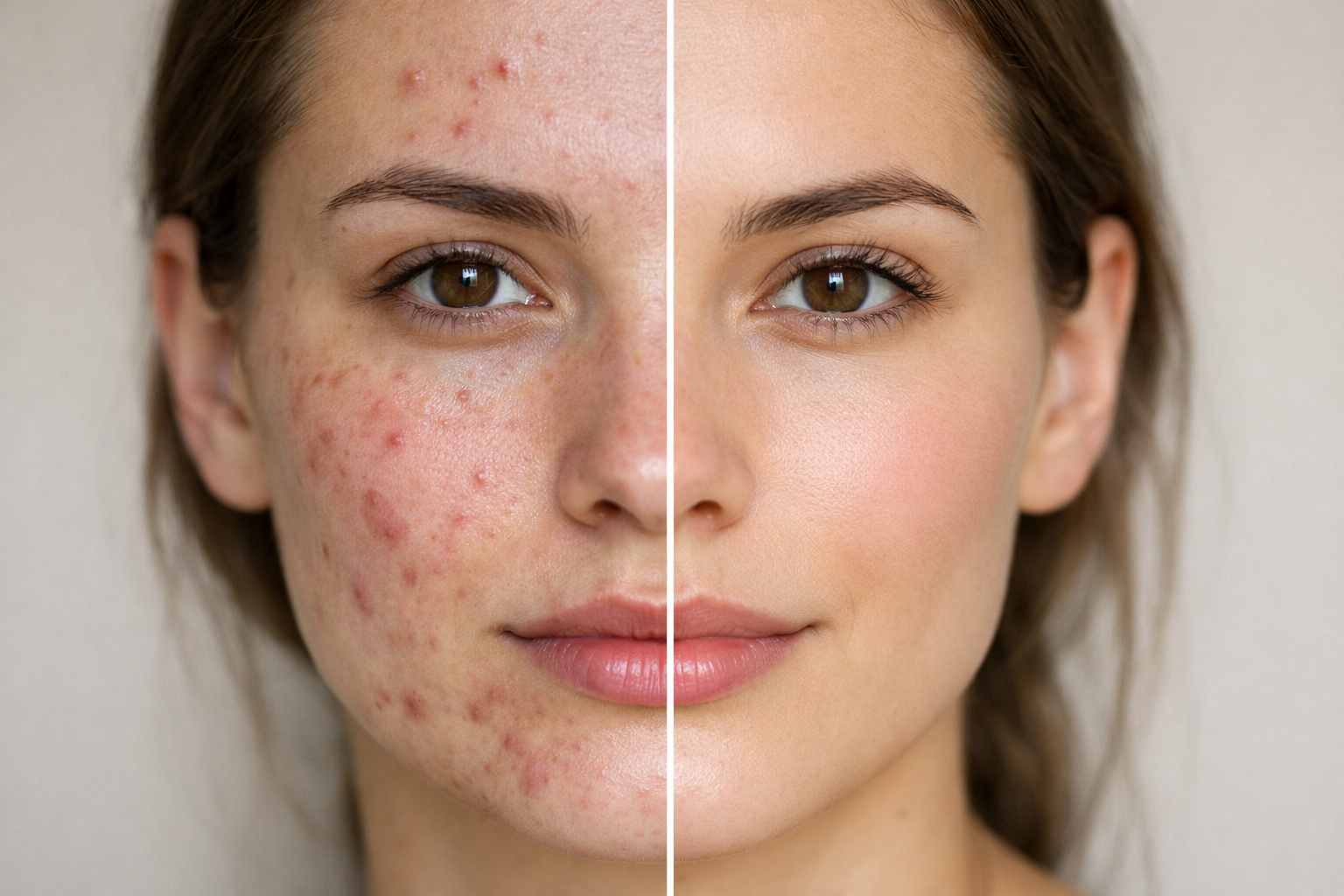
I know how it feels to look in the mirror and see a new breakout. It can really ruin your day. Personally, I think having acne prone skin is one of the most frustrating things to deal with. You are not alone in this struggle. Many people find that their skin just does not want to behave.
Why Does Acne Happen?
Before we fix the problem, we should talk about why it happens. Your skin has tiny holes called pores. Sometimes, these pores get clogged with oil and dead skin. This creates a little plug. Then, bacteria starts to grow inside that plug.
Actually, your body produces an oil called sebum. This oil is supposed to keep your skin soft. But sometimes, your body makes too much of it. When you have too much oil, your pores get stuck. That is when you see a pimple. We can fix it by using the right steps every day.
Step 1: Cleaning Your Face
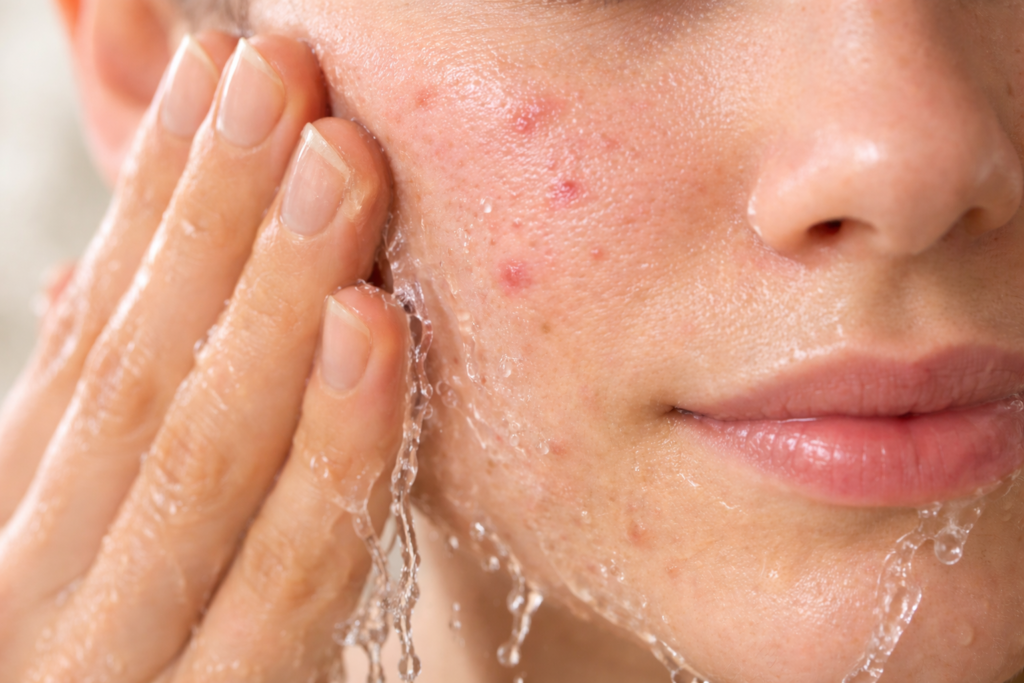
The first thing you need to do is wash your face. This sounds easy, but many people do it wrong. You should not scrub your skin too hard. If you are too rough, you will make the redness worse.
I suggest using a gentle cleanser. You want something that removes dirt but does not dry you out. If your skin feels tight after washing, your soap is too strong. Look for words like non-comedogenic on the bottle. This means it will not clog your pores.
Morning Wash
In the morning, you just need to get rid of any sweat from the night. Use lukewarm water. Hot water can actually hurt your skin.
Evening Wash
The evening wash is very important. You have been outside all day. Your face has dirt and maybe makeup on it. You must wash all of that away before you sleep. If you do not, your pores will definitely get clogged.
Step 2: Using a Toner
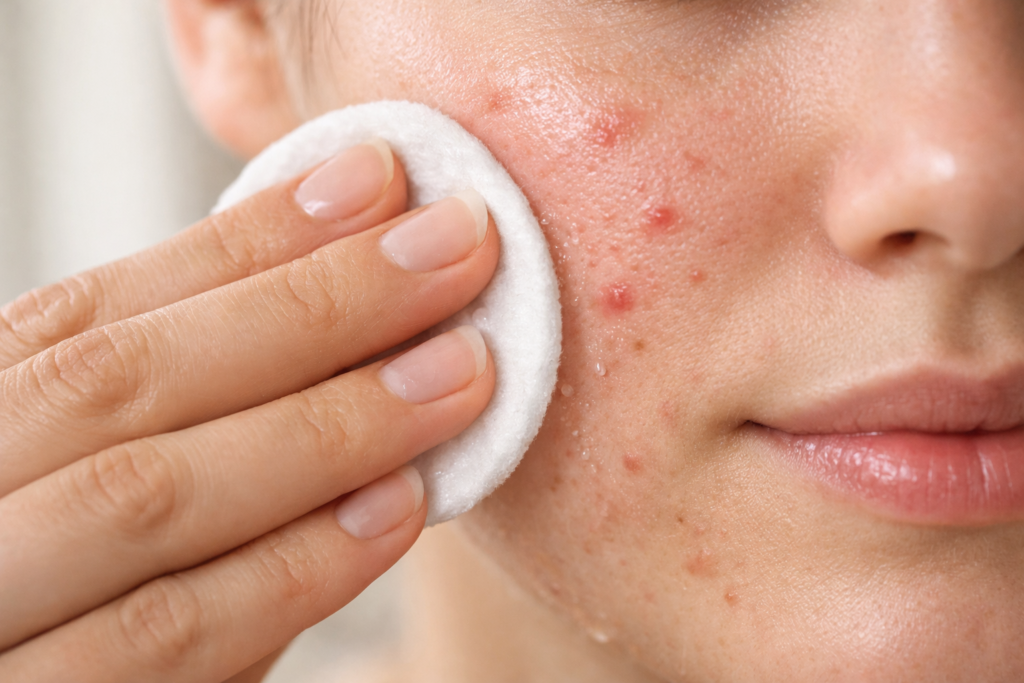
A toner is a liquid that you put on after washing. Some people think they do not need it. To be honest, a good toner can really help. It removes any leftover dirt that your soap missed.
For acne prone skin, you might want a toner with salicylic acid. This ingredient goes deep into your pores. It helps to break up the oil plugs. It is like a tiny vacuum for your face.
Just put a little bit on a cotton pad. Wipe it over your face gently. You do not need a lot. A little goes a long way.
Step 3: Treating the Pimples
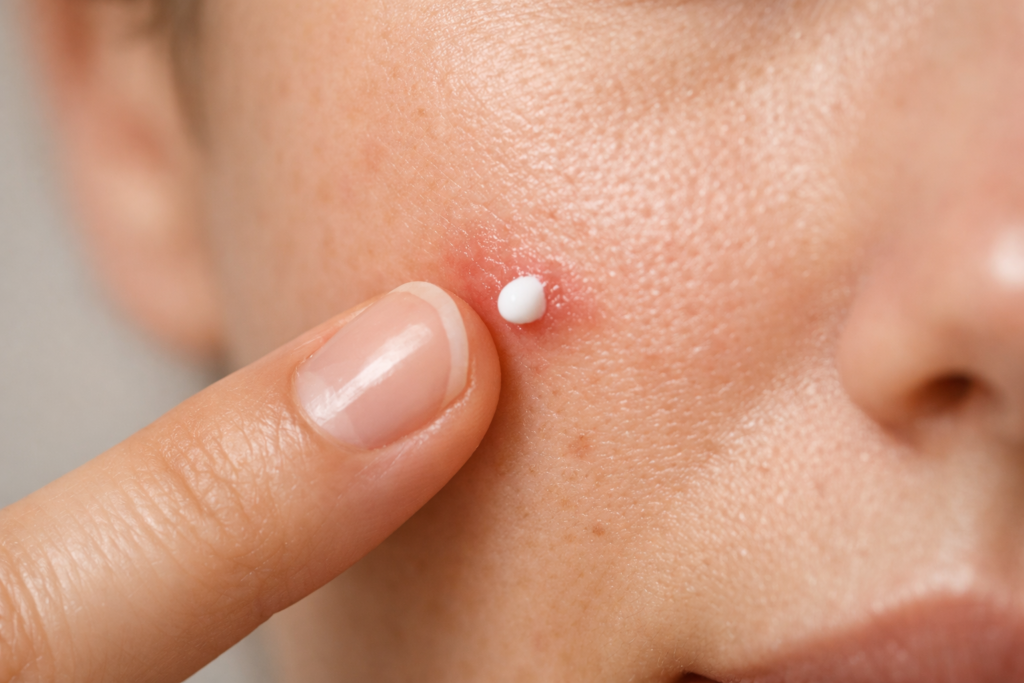
Now we get to the part where we fight the acne directly. This is where you use special creams or serums. You might have heard of benzoyl peroxide. This is a very common ingredient that kills bacteria.
If you have a big pimple, you can put a tiny dot of cream right on it. This is called spot treating. It helps the pimple go away faster. I believe this is a great way to handle sudden breakouts.
Serums for Clear Skin
You could also try a serum with niacinamide. It helps to calm down redness. It also helps your skin stay strong. Many people find that their skin looks much smoother after using it for a few weeks.
Step 4: Moisturizing
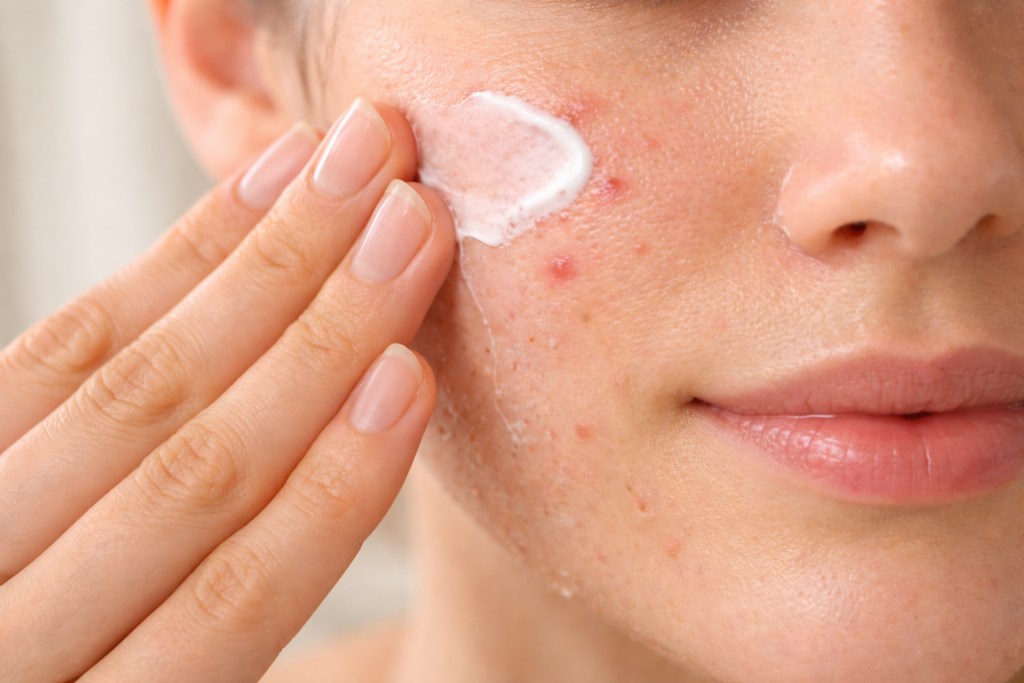
A lot of people think that if they have oily skin, they should not use moisturizer. This is actually a mistake. If your skin gets too dry, it will try to make even more oil to fix it. That leads to more acne.
You need a light moisturizer. Look for a gel or a lotion that feels watery. You want something that sinks in fast. Personally, I love how a good moisturizer makes my skin feel soft without being greasy. Make sure to apply it while your skin is still a bit damp. This helps lock the water in.
Step 5: Using Sunscreen
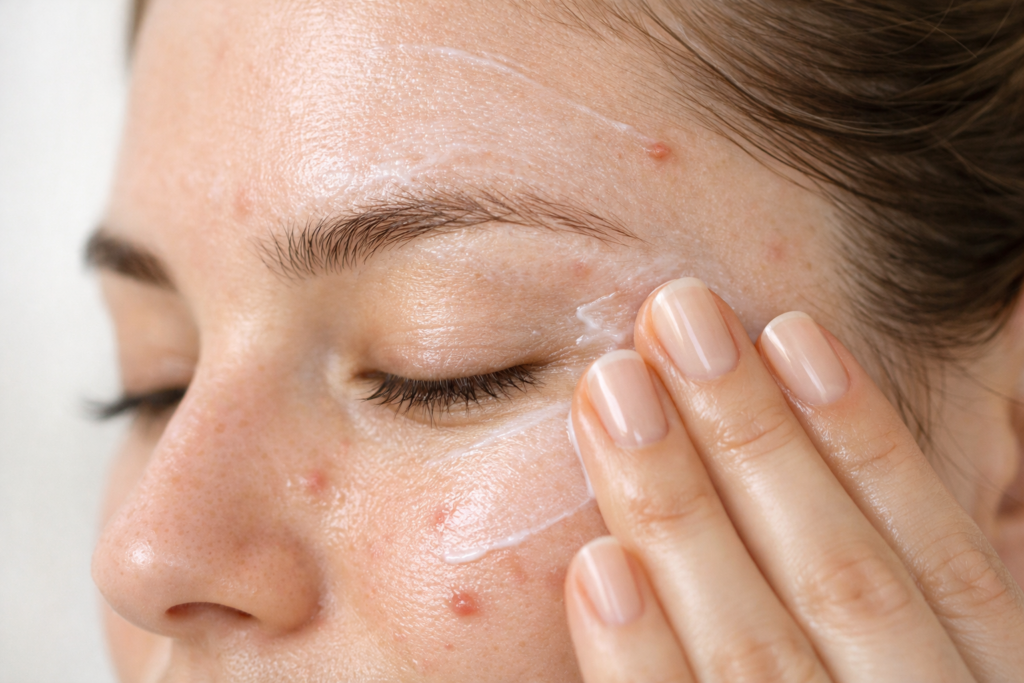
Sunscreen is a must. I know, some sunscreens feel oily. But the sun can make acne scars stay dark for a long time. You do not want that. You want those marks to fade away.
There are many sunscreens made just for oily skin. They are called oil-free or matte. They do not feel heavy at all. You should wear it every single day, even if it is cloudy. Believe it or not, the sun rays still reach your skin through the clouds.
Understanding Different Types of Acne
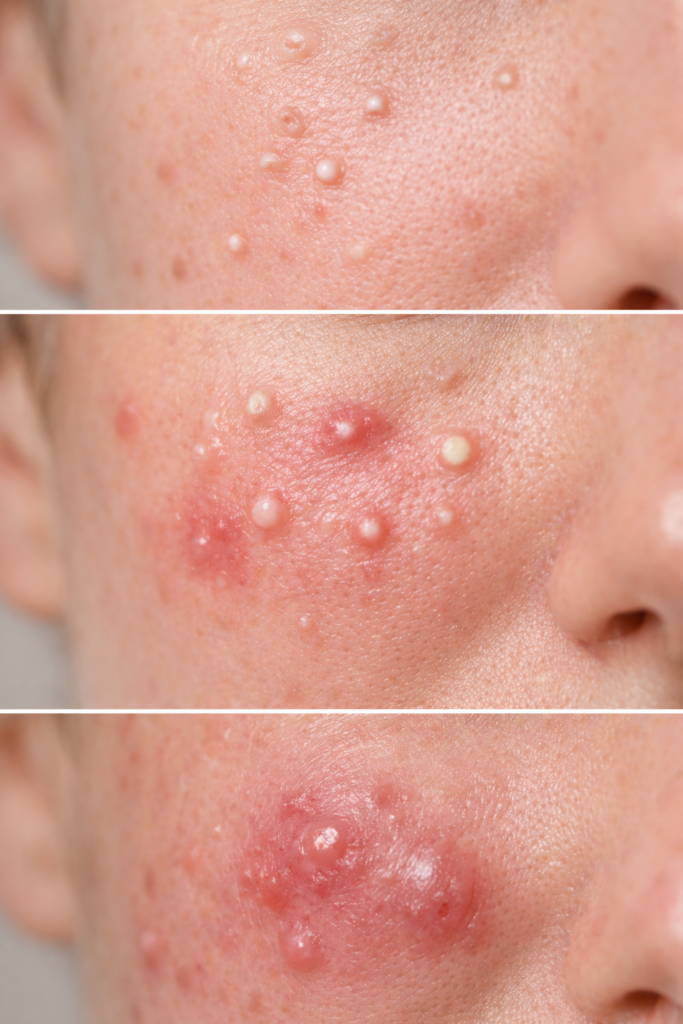
Not all pimples are the same. Knowing what you have can help you treat it better.
Whiteheads and Blackheads
These are small bumps. Whiteheads stay under the skin. Blackheads are open at the top and look dark. These are usually caused by clogged pores. Salicylic acid is great for these.
Red Bumps and Pustules
These are the sore, red ones. Pustules have a yellow or white center. These are usually infected with bacteria. Benzoyl peroxide is a good choice for these types of breakouts.
Cystic Acne
These are big, painful bumps deep under the skin. They do not usually have a head. If you have these, you might want to see a doctor. They are harder to treat with just store-bought creams.
How to Handle Scars
Once the acne is gone, you might have dark spots. These are not permanent. They just take time to fade. Using a vitamin C serum can help brighten your skin. Also, staying out of the sun will help them go away faster.
Don’t stress about them too much. Your skin is constantly healing itself. With a good routine, those marks will slowly disappear.
Frequently Asked Questions
1. What if my skin is very sensitive?
A. If your skin turns red easily, avoid strong acids. Use products that are fragrance-free. Always test a new cream on a small spot on your neck first.
2. How long does it take to see results?
A Usually, it takes about four to six weeks. You have to be patient. Your skin needs time to respond to the new routine.
3. Can I wear makeup with acne?
A. Yes, you can. Just make sure it is oil-free makeup. Also, make sure you wash it all off at the end of the day.
4. Does chocolate cause acne?
A. For most people, chocolate is fine. However, eating too much sugar can sometimes lead to breakouts. It depends on your own body.
5. Should I use a scrub for my acne?
A. I would recommend staying away from harsh scrubs. They can create tiny tears in your skin. A chemical exfoliant like salicylic acid is much gentler.
Conclusion
Anyway, I hope these steps help you feel more confident. Start today and see how it goes. Clear skin does not happen overnight. It takes work and time. Some days will be better than others. That is totally normal. Do not get discouraged if you get a new pimple tomorrow.
One tip is to take a photo of your skin today. Then take another one in a month. You will be able to see the progress you have made. It is really rewarding to see your hard work pay off.