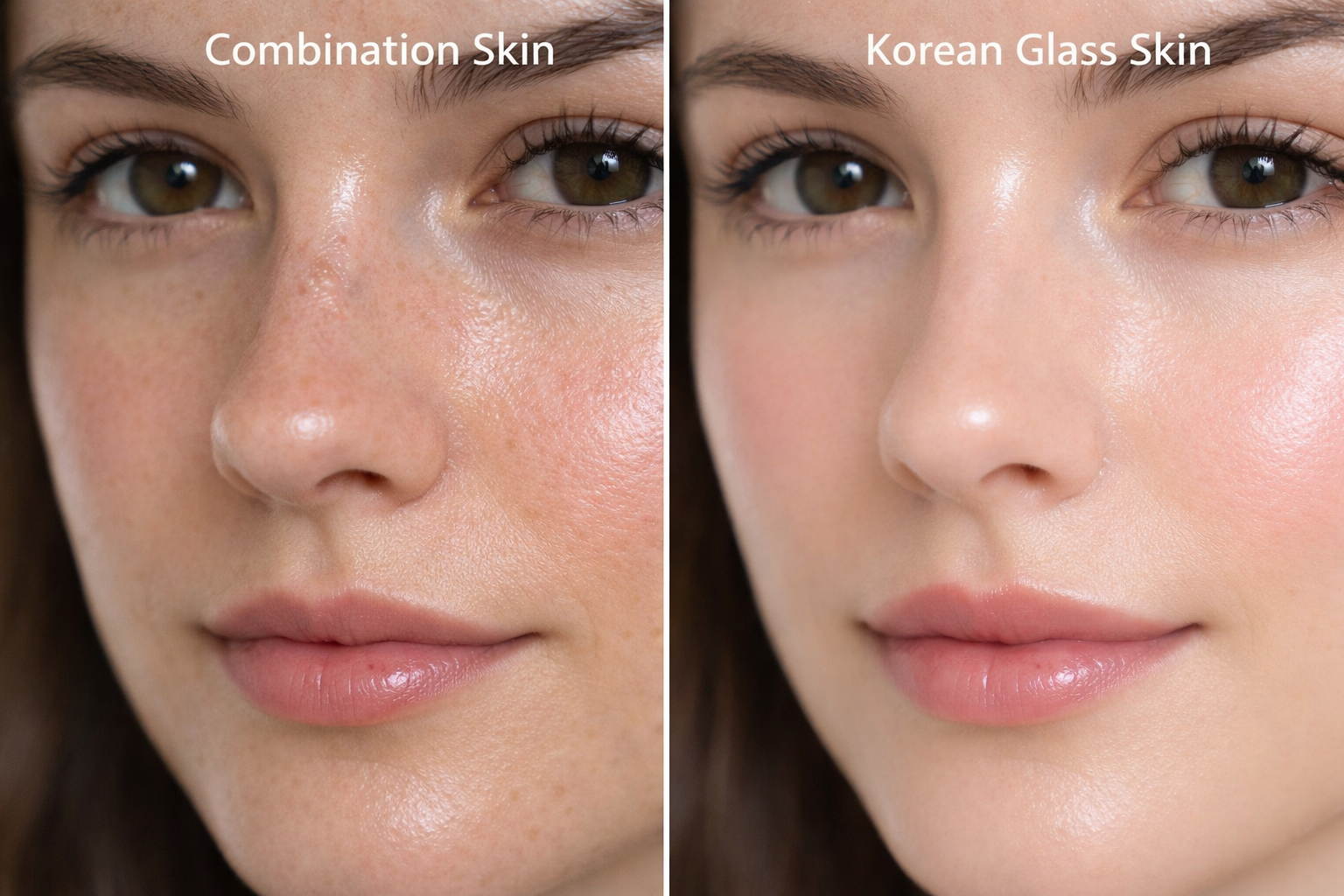
Have you ever felt like your face is having a fight with itself? Personally, I know that feeling all too well. One part of your face feels like an oil slick while your cheeks feel as dry. This is what we call combination skin. It can be really tricky to handle.
Believe it or not, Korean skincare is actually perfect for this.It is not about using harsh chemicals to strip your skin. Instead, it is about giving each part of your face exactly what it needs. I want to help you find that balance today.
If you follow these steps, your combination skin will feel much more balanced. You will have less oil and less dryness. By the end of this, you will have a plan that works for you. Trust me, your skin will love it.
Understanding Your Skin Cycle
Sometimes you might get a few small pimples when you start a new routine. This is often just your skin cleaning itself out. However, if you get a lot of red, painful bumps, you should stop the new product.
Your skin naturally renews itself about every 28 days. This is why you should give a routine at least a month to work. During this time, old skin cells fall off and new ones come to the surface. It is a natural process that we want to support.
If you use too many harsh products, you can mess up this cycle. That is why the Korean approach is so good. It works with your skin instead of against it.
Step 1: Double Cleanse Method
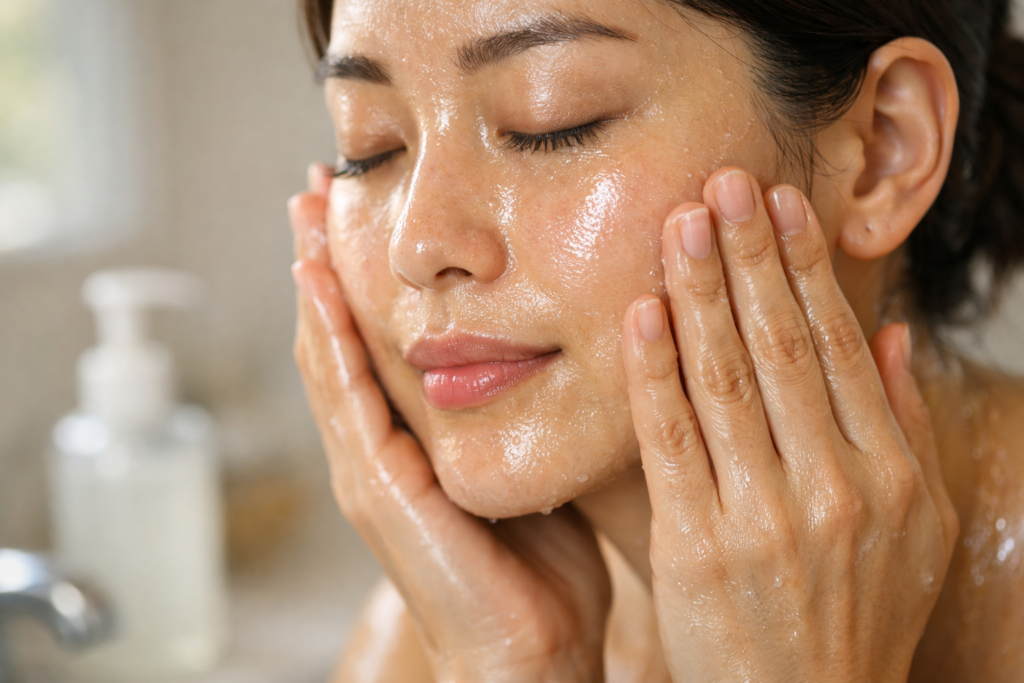
The first step in any Korean routine is the double cleanse. This might sound scary if you have an oily T-zone. You might think, why would I put oil on my face? Well, oil actually dissolves oil. It works very well for cleaning out pores.
First, you use an oil-based cleanser. This breaks down makeup and sunscreen. It also grabs the excess sebum sitting in your pores. You massage it onto dry skin and then wash it off with warm water. It feels so soft and nice on the skin.
Second, you use a water-based cleanser. This gets rid of any leftover dirt or sweat. For combination skin, I suggest a gentle foaming cleanser or a gel cleanser. You want something that leaves your skin feeling clean but not tight. If it feels tight, it is too harsh.
Step 2: Gentle Exfoliation
Exfoliation is very important for combination skin. It helps clear out those oily pores and removes dead skin from dry patches. But you have to be careful. You should not do this every day. Two or three times a week is usually plenty for most people.
I recommend using chemical exfoliants instead of scrubs. Scrubs can be too rough and might cause tiny tears in your skin. Look for products with BHA for your oily spots and AHA for your dry spots. BHA gets deep into pores to stop blackheads.
AHA stays on the surface to smooth out dry skin. Some Korean toners have both in very low amounts. These are great because they are gentle enough for regular use. Just remember to listen to your skin. If you get red or itchy, take a break.
Step 3: Toner
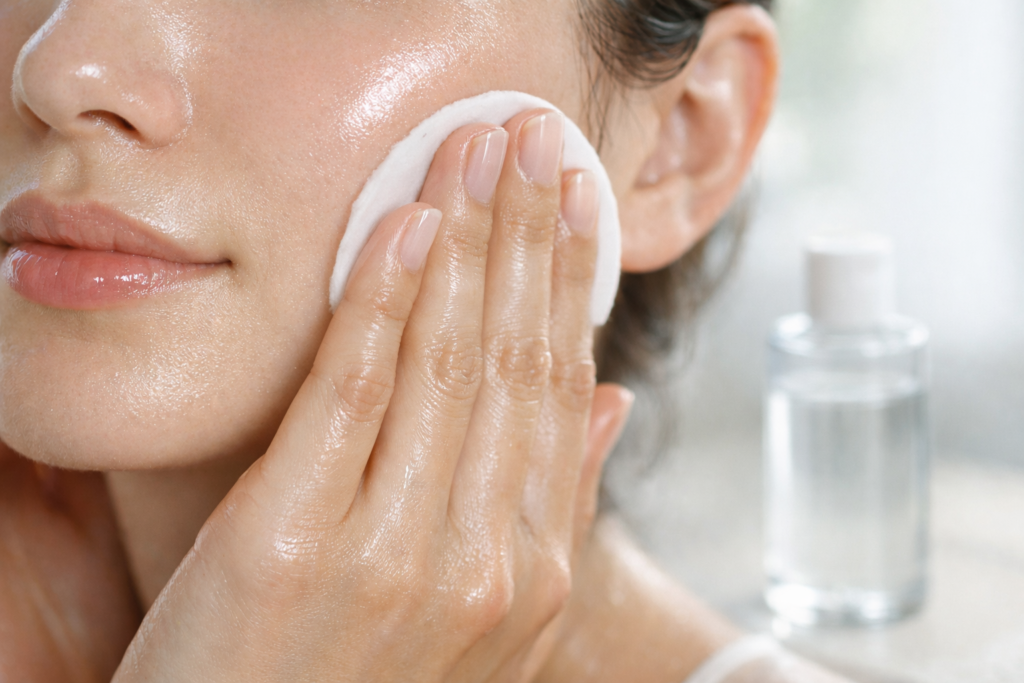
In the West, toners used to be full of alcohol and very drying. In Korea, toners are like a big glass of water for your face. They are meant to hydrate and balance your pH levels. This step is honestly my favorite part of the routine.
For combination skin, look for a hydrating toner. You can even use the 7 skin method. This is where you pat on small layers of toner multiple times. It builds up deep hydration without any heaviness. It makes your skin look really fresh.
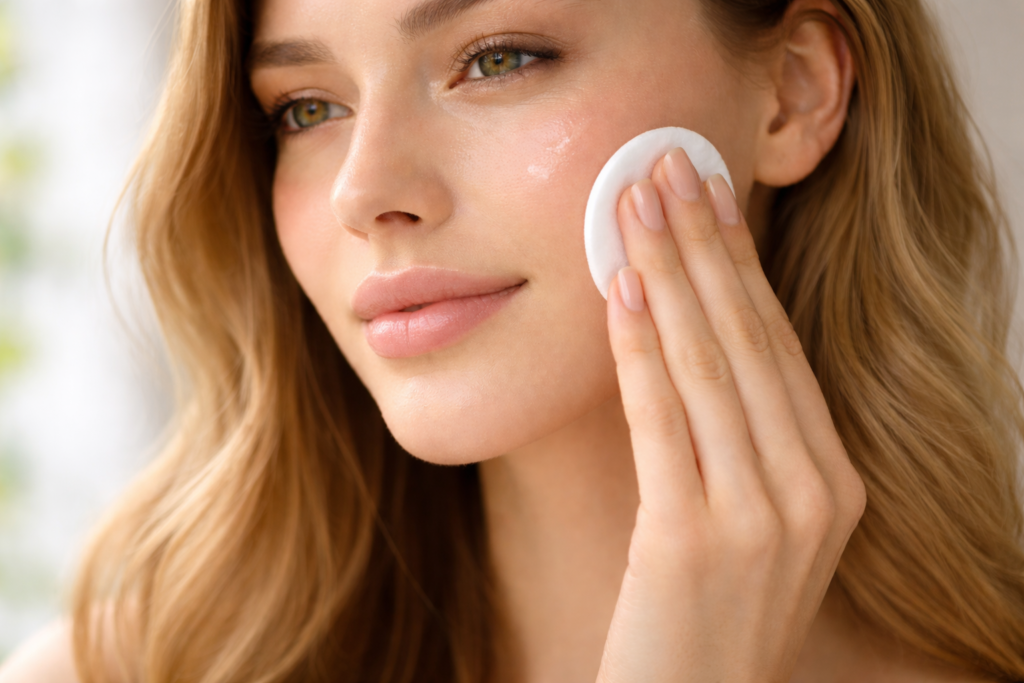
If your T-zone is very oily, you can use a cotton pad to swipe a balancing toner there. Then, pat a more hydrating one onto your cheeks with your hands. This is how you customize the routine for your specific needs. It is all about what you feel works best.
Step 4: Adding An Essence
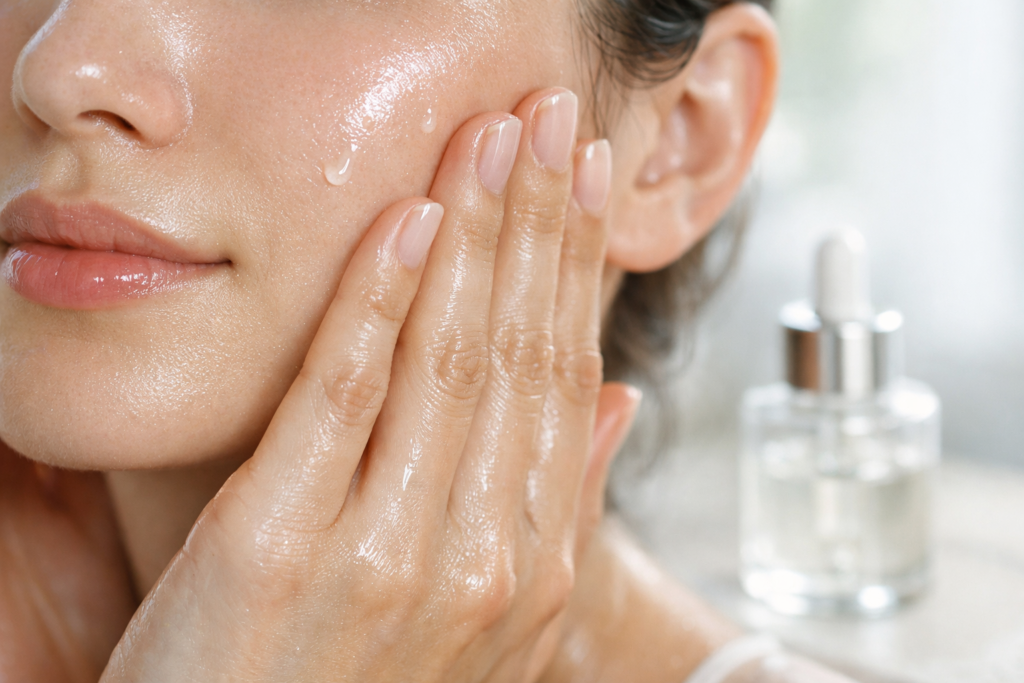
An essence is a bit thicker than a toner but thinner than a serum. It is a classic Korean step. Its main job is to help with cell turnover and add an extra layer of moisture. It prepares your skin to soak up the treatments that come next.
Many essences contain fermented ingredients. These are great because they get deep into the skin layers. If you have dull skin on your cheeks, an essence will help brighten it up. It gives you that famous glass skin glow that everyone wants these days.
You only need a few drops. Pat it into your skin while it is still a little damp from the toner. It is a simple step that makes a huge difference over time. Personally, I never skip this part.
Step 5: Targeted Serums And Ampoules
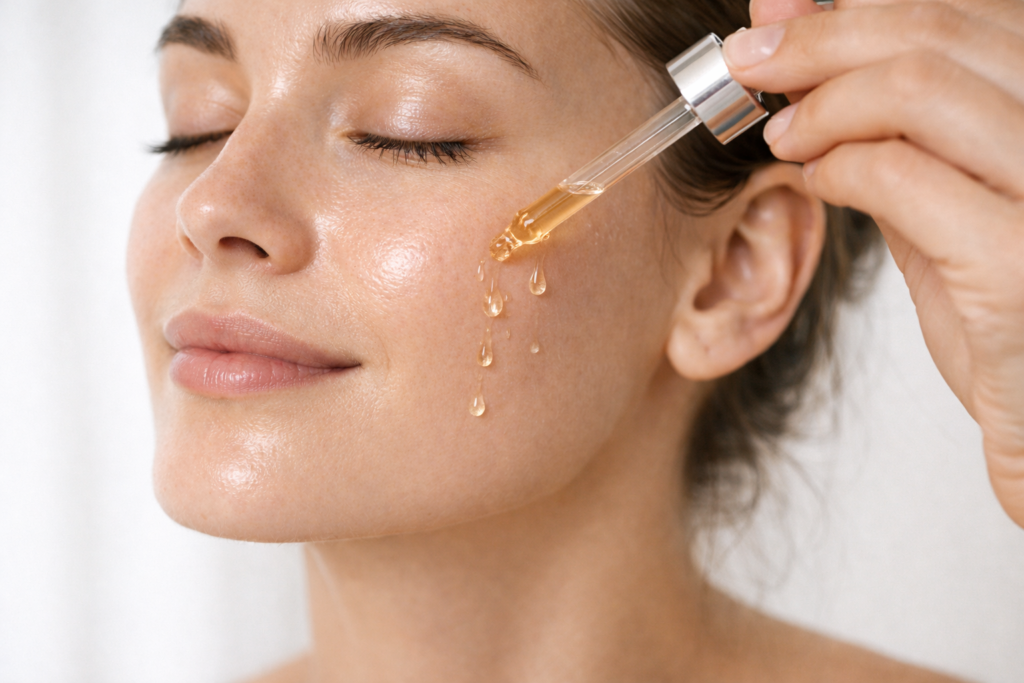
Now we get to the part where you treat specific problems. This is where you can really target the oily and dry parts of your face. Serums and ampoules are packed with active ingredients. You can use different ones on different parts of your face.
If you have breakouts on your chin, you could use a serum with tea tree or niacinamide there. Niacinamide is amazing for combination skin because it helps control oil and shrinks pores. It also helps strengthen the skin barrier for your dry areas.
For your dry cheeks, you might want something with hyaluronic acid or ceramides. These ingredients hold onto water and keep your skin soft. You do not have to use a lot. Just a tiny bit on the areas that need it.
Step 6: Sheet Masks
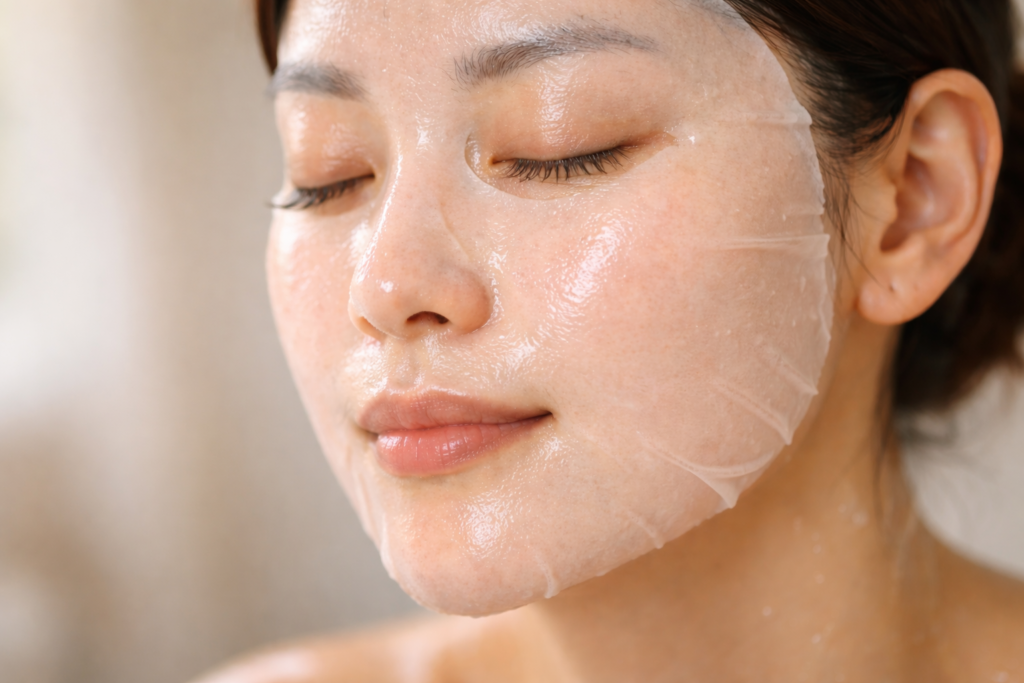
You do not need to do this every day. Once or twice a week is usually enough. They are like a mini facial at home. Plus, they are a great way to relax.
For combination skin, try a mask that is cooling or soothing. Aloe vera or bamboo extracts are great choices. They hydrate the dry parts without making the oily parts feel greasy. It is a nice way to reset your skin when it feels out of whack.
One tip is to use the extra liquid in the bag on your neck and arms. There is usually a lot of serum left over. Never let that good stuff go to waste. After you take the mask off, just pat the remaining liquid into your face.
Step 7: Eye Cream
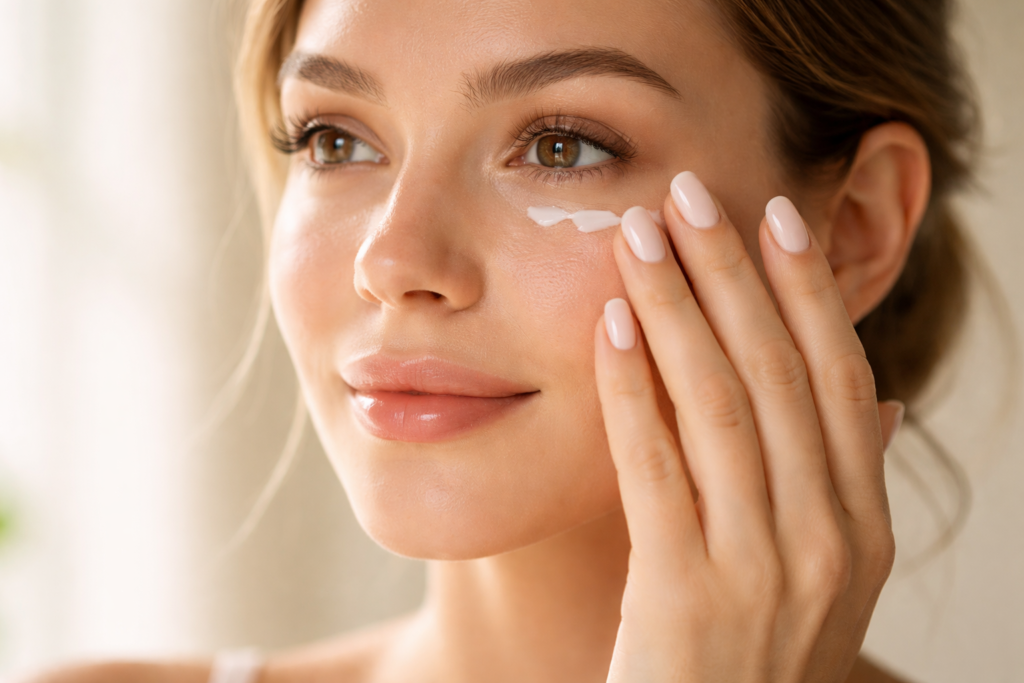
A lot of people think they are too young for eye cream. But the skin around your eyes is very thin and has no oil glands. This means it is the first place to show dryness or fine lines. It is better to start using it now to keep that area healthy.
You only need a tiny bit, about the size of a grain of rice. Use your ring finger to gently pat it around your eye bone. Do not pull or tug at the skin. Korean eye creams are often very hydrating and can help with dark circles too.
Even if the rest of your face is oily, your eye area likely needs the moisture. It keeps the skin elastic and bright.
Step 8: Moisturizing
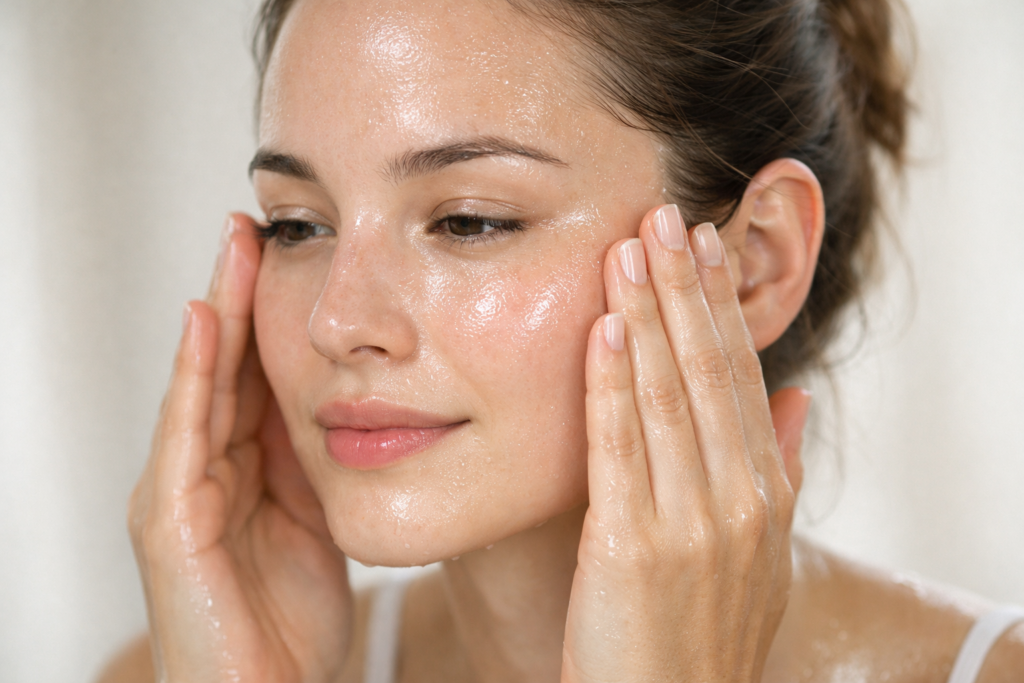
Finding the right moisturizer for combination skin is the hardest part. You need something that hydrates dry patches but does not clog pores in the T-zone. Many people find that a lightweight gel-cream is the perfect.
Gel-creams feel very light and soak in fast. They give you water-based hydration which is what your skin really needs. If your cheeks still feel a bit dry, you can add a tiny drop of facial oil to your moisturizer just for those spots.
In the winter, you might need a slightly heavier cream. In the summer, you might stick to a very light lotion. Your skin changes with the weather, so your routine should too. Always pay attention to how your face feels when you wake up.
Step 9: Sun Protection
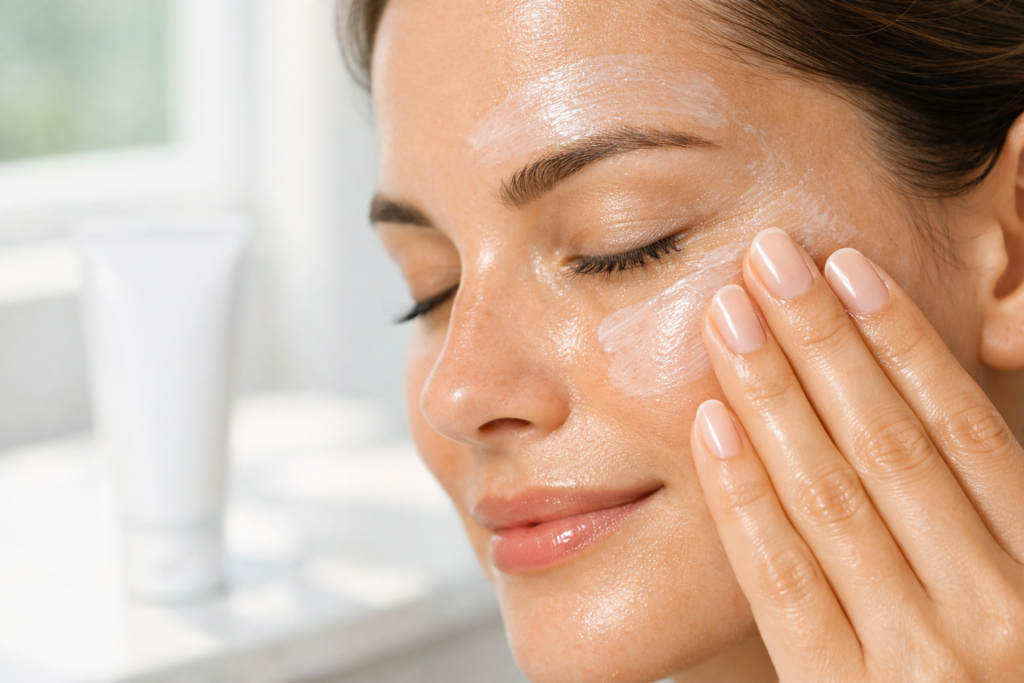
This is the most important step in any routine. Honestly, if you do not wear sunscreen, the rest of the steps do not matter as much. The sun causes most of our skin problems, like dark spots and wrinkles. It can even make oily skin worse.
Korean sunscreens are famous for being amazing. They are not thick or sticky. They often feel like a light lotion.
You need to wear it even if it is cloudy outside. UV rays can still reach your skin. Look for a sunscreen that says SPF 50 and PA++++. This gives you the best protection possible. Make sure to apply it every single morning without fail.
Common Ingredients To Look For
When you are shopping for products, look for these helpful ingredients. Centella asiatica is great for redness and irritation. Snail mucin is amazing for healing and deep hydration. Green tea is perfect for oily skin because it soothes and protects.
Hyaluronic acid is a must for everyone because it pulls water into the skin. Ceramides are important for keeping your skin barrier strong. These are the gold standards in K-beauty.
Try to avoid products with a lot of added fragrance or drying alcohols. These can irritate combination skin and make your problems worse.
Frequently Asked Questions
1. Can I use the same products for morning and night?
A. Yes, you definitely can. Most of your steps like cleanser, toner, and moisturizer stay the same. The main difference is that you use sunscreen in the morning and maybe a heavier cream or sleeping mask at night.
2. Is 10 steps too much for my skin?
A. Honestly, it might be for some people. You do not have to do 10 steps every day. Some days you might only do 5. The 10 step routine is more of a menu. You choose what your skin needs on that specific day.
3. How do I know if a product is working?
A. Your skin will feel more balanced. The oily parts will not be as greasy and the dry parts will feel soft and hydrated. You might also notice a more even skin tone and a healthy glow. It takes time, so be patient.
4. Can men use a Korean skincare routine?
A. Absolutely. Skin is skin. Men often have oilier skin but can still have dry patches. The same rules of cleansing, hydrating, and protecting apply to everyone. It is a great way for anyone to take care of themselves.
5. What if my skin is very sensitive?
A. If you have sensitive skin, look for products that are fragrance-free and made for sensitive types. Ingredients like centella and mugwort are very soothing. Always do a patch test on your neck before putting a new product all over your face.
Conclusion
I hope this guide helps you feel more confident in your skincare journey.
Remember that everyone’s skin is unique. What works for your friend might not work for you. It is okay to experiment and find your own perfect mix of products. The most important thing is to be kind to your skin and give it what it needs.
We all have pores and texture. The goal is healthy and happy skin, not perfection. Keep going with your routine and you will see the benefits over time.