

Oily skin can be very confusing. You wash your face and for a short time it looks clean, but after a while the shine comes back again. Many people try harsh soaps or keep washing again and again, but that usually makes the problem worse instead of better.
I also spent a long time figuring out what actually helps and what only damages the skin barrier. When you understand how your skin behaves and care for it gently, oil production slowly becomes balanced.
In this guide I will show a simple natural routine you can follow daily at home. Each step has a purpose and is easy to do. Follow it patiently and you will start noticing clearer skin.
Let’s start the routine.
Step 1: Gentle Cleansing

The first step is always cleaning. Many people find that they want to scrub their face until it feels tight. Don’t do that. When your skin feels tight, it is actually crying for help. I suggest washing your face only twice a day.
Ingredients Needed
Two tablespoons of raw honey
One teaspoon of lemon juice
How to Make It
Take a small cup and pour the honey in first. Squeeze the lemon juice into the same cup. Stir the two together until they become a smooth liquid. Rub this liquid onto your damp face for one minute. Rinse it off with lukewarm water. Your face will feel clean but still soft.
Step 2: Natural Toner
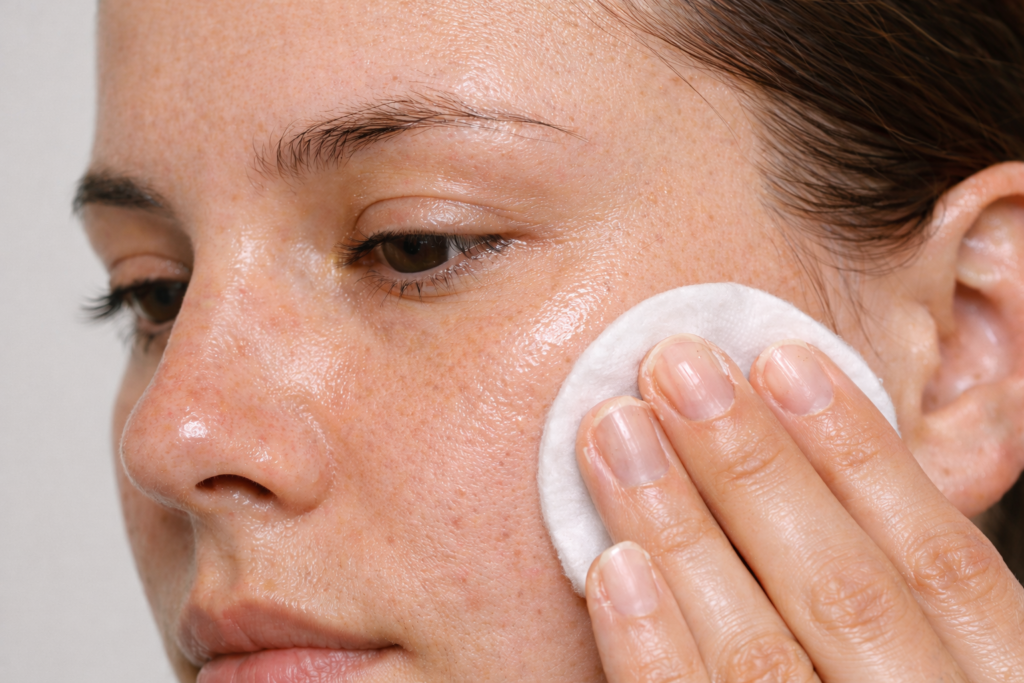
After you wash, your skin needs to find its balance again. A toner helps close up those pores and removes any leftover dirt. Most toners in stores are full of alcohol, which is really bad for oily skin. I think you will love this natural version much more.
Ingredients Needed
Half a cup of filtered water
Two tablespoons of apple cider vinegar
Three drops of tea tree oil
How to Make It
Find a small bottle and pour the water inside. Add the vinegar and the tea tree oil to the water. Put the cap on and shake the bottle well. Apply a little bit to a cotton pad and wipe it over your face. It might smell a bit like salad for a second, but the smell goes away fast.
Step 3: Moisturizer
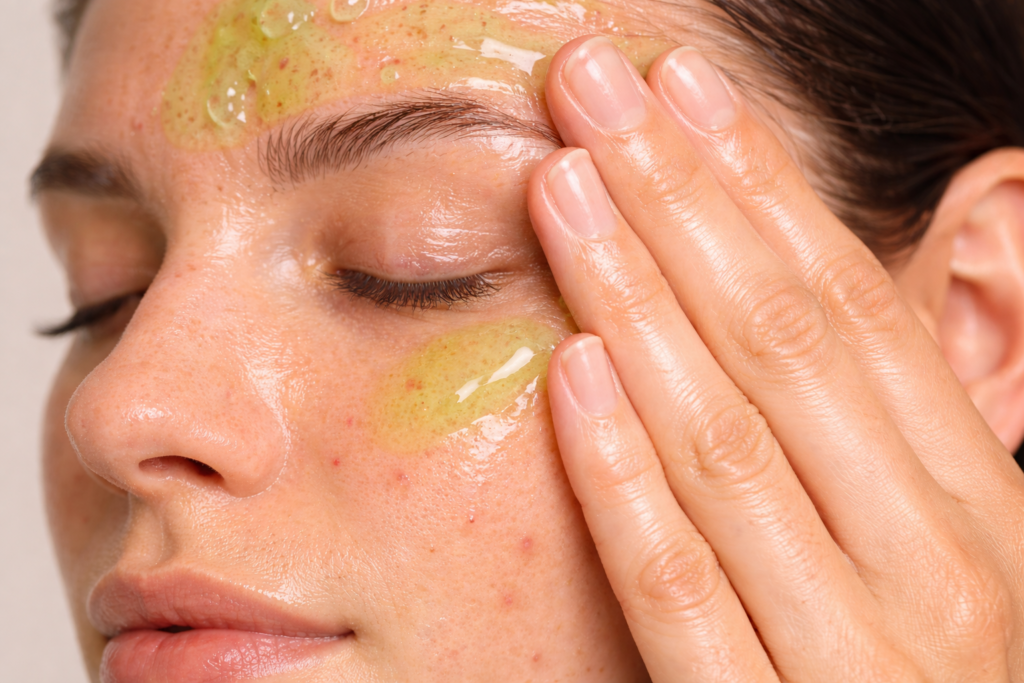
This might sound crazy. If your skin is thirsty, it will make more oil to try and hydrate itself. If you give it a light, natural oil, your skin thinks it has enough and stops producing so much.
Ingredients Needed
One tablespoon of pure aloe vera gel
Half a teaspoon of jojoba oil
How to Make It
Place the aloe vera gel in the palm of your hand. Drop the jojoba oil right on top of the gel. Rub your hands together to blend the two ingredients. Press the mixture into your skin gently. It sinks in very fast and does not leave a greasy feeling.
Step 4: Exfoliate
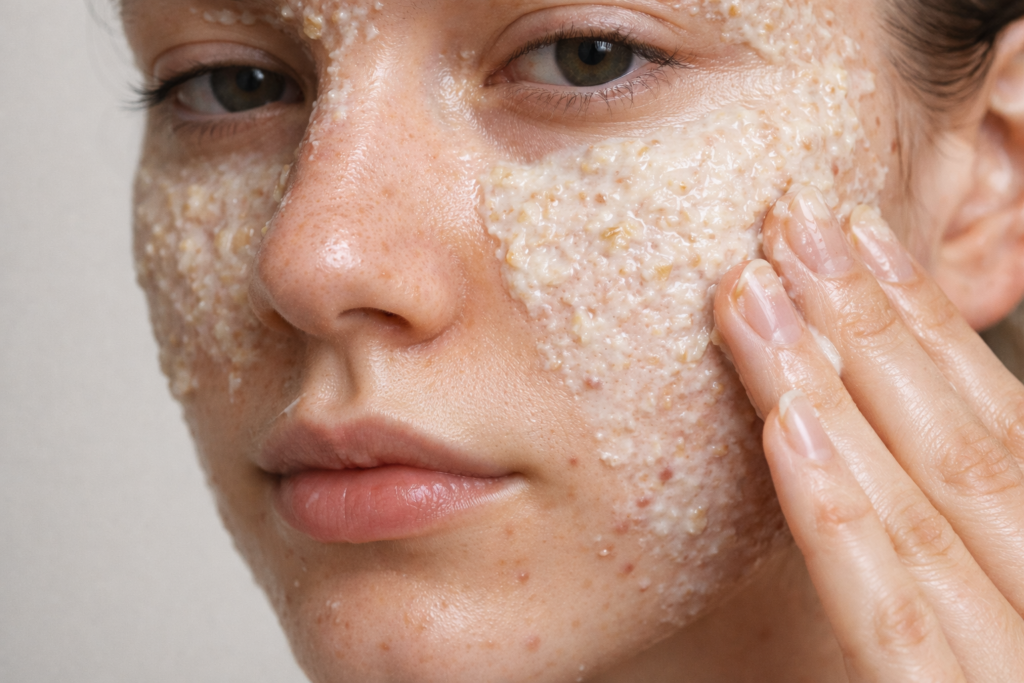
Dead skin cells can mix with oil and block your pores. This is how blackheads start. You might want to scrub hard, but please be gentle. A simple scrub once or twice a week is plenty to keep things smooth.
Ingredients Needed
One tablespoon of ground oatmeal
One teaspoon of yogurt
How to Make It
Mix the oatmeal and yogurt into a thick paste. The yogurt has lactic acid that helps dissolve dead skin. Rub it onto your face in very soft circles. Do not press hard. Rinse it off and your skin will look bright and fresh immediately.
Step 5: Weekly Deep Clean Mask
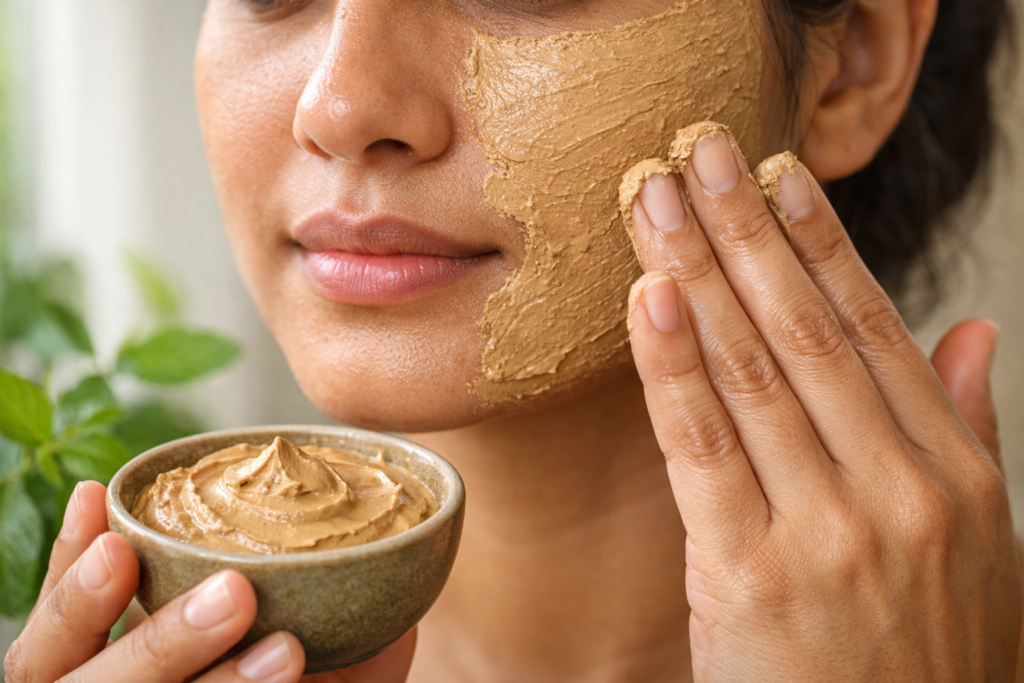
Once a week, you should do a deeper clean. This helps pull out the gunk from deep inside your pores. I personally recommend using clay because it acts like a magnet for oil. It is a bit messy, but it is so satisfying.
Ingredients Needed
One tablespoon of Multani Mitti (Fuller’s Earth) or Bentonite Clay
One tablespoon of rose water
A pinch of turmeric
How to Make It
Mix the clay, rose water, and turmeric until it is a smooth paste. Apply it to your face and let it sit for ten minutes. Do not let it get so dry that it cracks and hurts. Wash it off with warm water. This really helps keep the shine away for a few days.
Pro Tip
Some people think the sun dries out oily skin. That is actually a myth. The sun can damage your skin and make it produce more oil to protect itself. Plus, sun damage makes pores look much larger.
Make sure to use a light, non-oily sunscreen every day. Look for words like “non-comedogenic” on the label. This just means it will not clog your pores. It is a very important.
FAQs
1. Can oily skin ever become dry?
A. Yes, it can. As we get older, our skin usually produces less oil. Also, if you use very harsh products, your skin can become dry and irritated even if it was oily before.
2. Is it okay to use coconut oil on oily skin?
A. I would stay away from coconut oil for your face. It is very thick and often clogs pores for people with oily skin. Stick to lighter oils like jojoba or grapeseed oil.
3. How long does it take to see results from a natural routine?
A. It usually takes about two to four weeks. Your skin needs time to adjust to the new, gentler way of cleaning. Be patient and stay consistent.
4. Should I wash my face more than twice a day?
A. No, honestly, that is too much. If you wash too often, you strip the skin and it will just make more oil. If you feel greasy, just use a splash of plain water or a blotting paper.
5. Can tea tree oil be used directly on the skin?
A. It is very strong, so it is best to mix it with water or aloe vera first. If you put it straight on a pimple, it might cause a little red spot or peeling.
6. Is rice water good for oily skin?
A. Yes, rice water is a great natural toner. It helps tighten the skin and reduces the look of large pores. You can use it just like the vinegar toner.
Common Mistakes to Avoid
One big mistake is using hot water. Hot water is very drying and can damage your skin. Always use lukewarm or cool water. It is much better for your pores.
Another thing is touching your face too much. Your hands have dirt and oil that you don’t want on your cheeks. I know it is hard to stop, but try to be mindful of it.
Lastly, do not expect your oil to disappear overnight. It is a process. If you stay gentle and stick to your steps, your skin will eventually improve.
Final Thoughts
I hope this guide helps you feel more in control of your skin. Having oily skin can be a bit of a chore, but it is also a sign that your skin is trying to protect itself.
With a few simple changes, you can have a glow without the grease.