
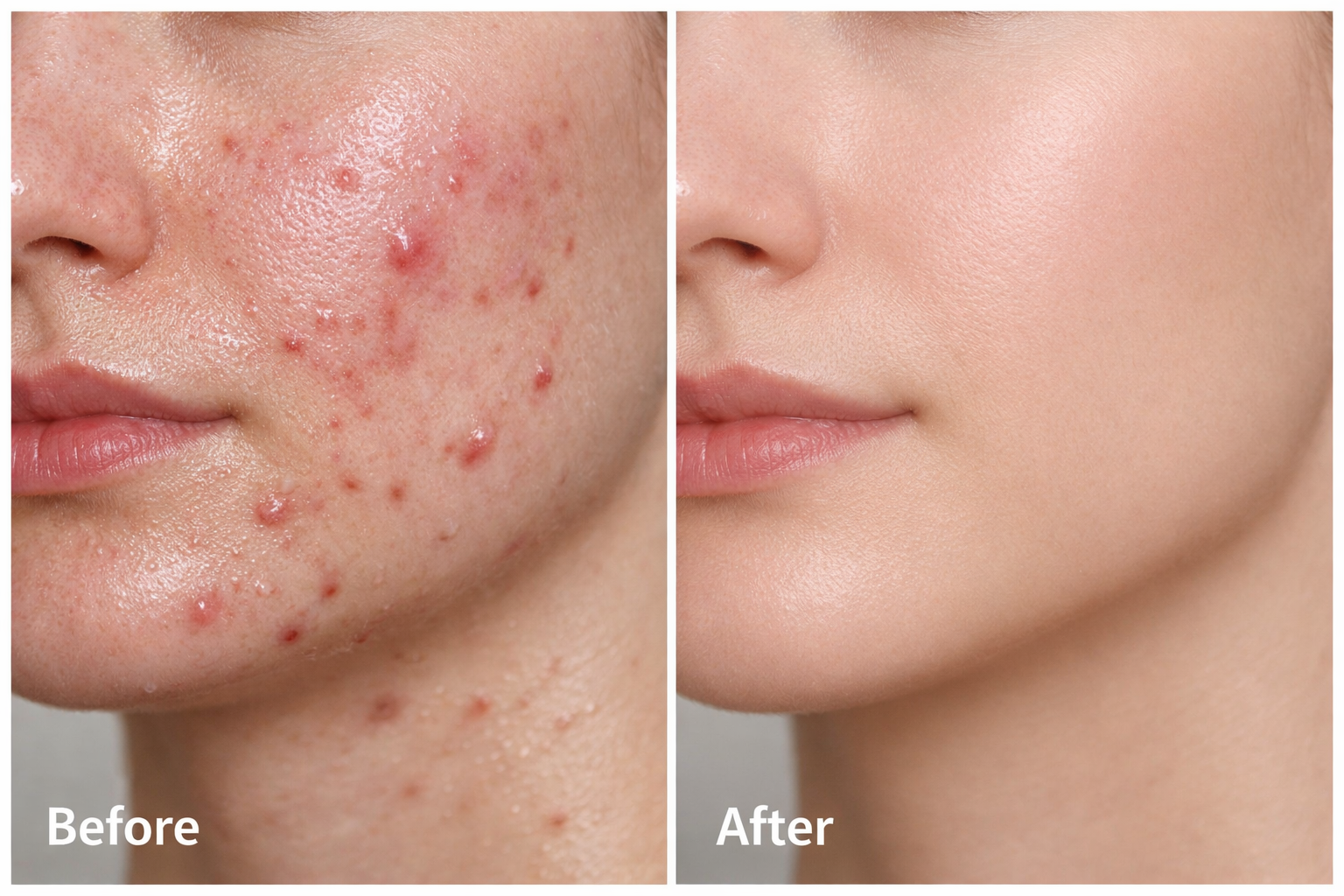
Oily skin can be really frustrating. You wash your face in the morning and within a few hours it starts looking shiny again. Many people think they are doing something wrong, but in most cases it is simply how their skin naturally works.
Many readers asked me to explain a simple routine for managing oily and acne-prone skin, so I decided to write a clear step by step guide. After learning about skincare basics and understanding what actually helps, I realized that controlling oil is about balancing.
The good news is that I can help you find a simple way to fix this. We are going to talk about a clear plan to get your skin looking fresh and healthy.
Let’s explore.
Why Is My Skin So Oily?
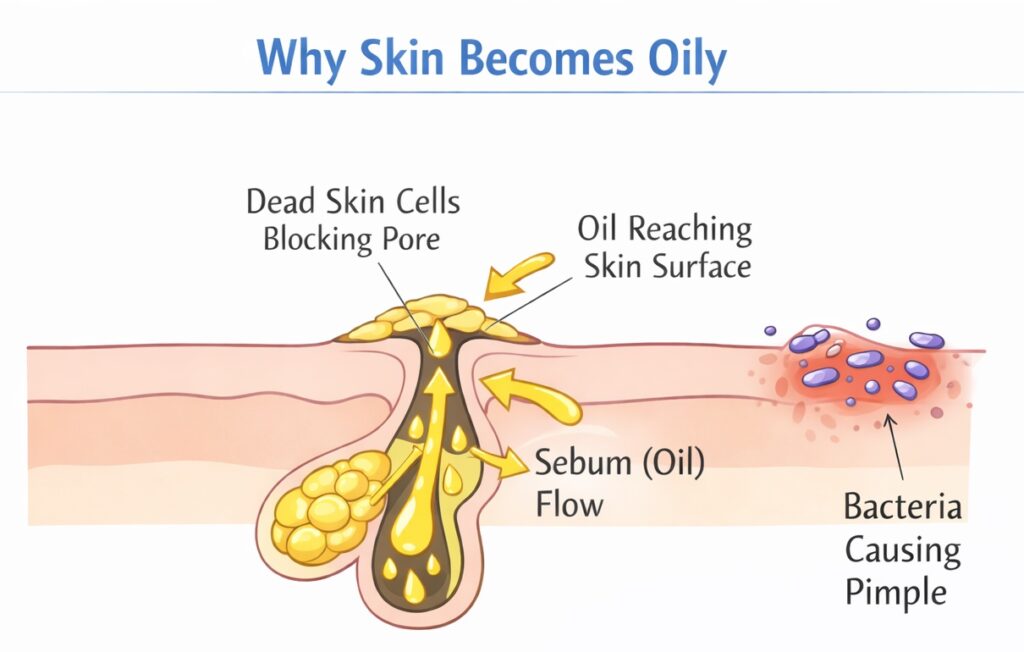
Before we dive into the steps, have you ever wondered why your skin makes so much oil?
Well, our bodies have tiny glands called sebaceous glands. These glands make something called sebum. Sebum is actually a good thing because it keeps our skin soft and protected.
The thing is, sometimes these glands work way too hard. When they produce too much oil, your pores can get clogged. This leads to those annoying whiteheads and blackheads. Honestly, it is just your body trying to do its job, but it is doing a bit too much.
Personally, I think understanding this helps you feel less frustrated. It is not your fault that your skin is active. Factors like genes or even the weather in your city can change how much oil you make.
Now, let’s look at how to handle it.
Step 1: Cleansing
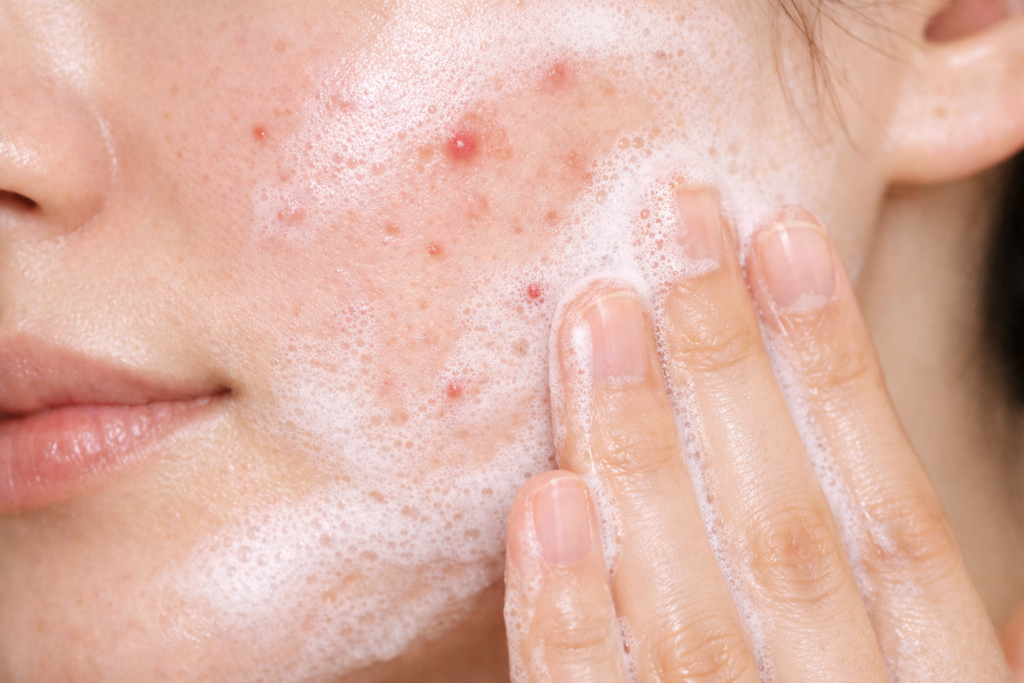
The first step is always washing your face. You might think you need to scrub really hard to get the oil off. Please, do not do that. If you are too rough, your skin will think it is under attack. It might even make more oil to protect itself.
I suggest using a gentle foaming cleanser. Look for words like salicylic acid on the bottle. This special ingredient goes deep into your pores to dissolve the gunk. It is kind of like a tiny vacuum for your face.
How to Wash Your Face
1. Wet your face with lukewarm water.
2. Rub a small amount of cleanser in your hands.
3. Massage it onto your skin for about 60 seconds.
4. Rinse it off and pat dry with a clean towel.
Make sure to use a fresh towel every time. Believe it or not, old towels can hide bacteria. You do not want to put germs back on your clean face.
Step 2: Toning
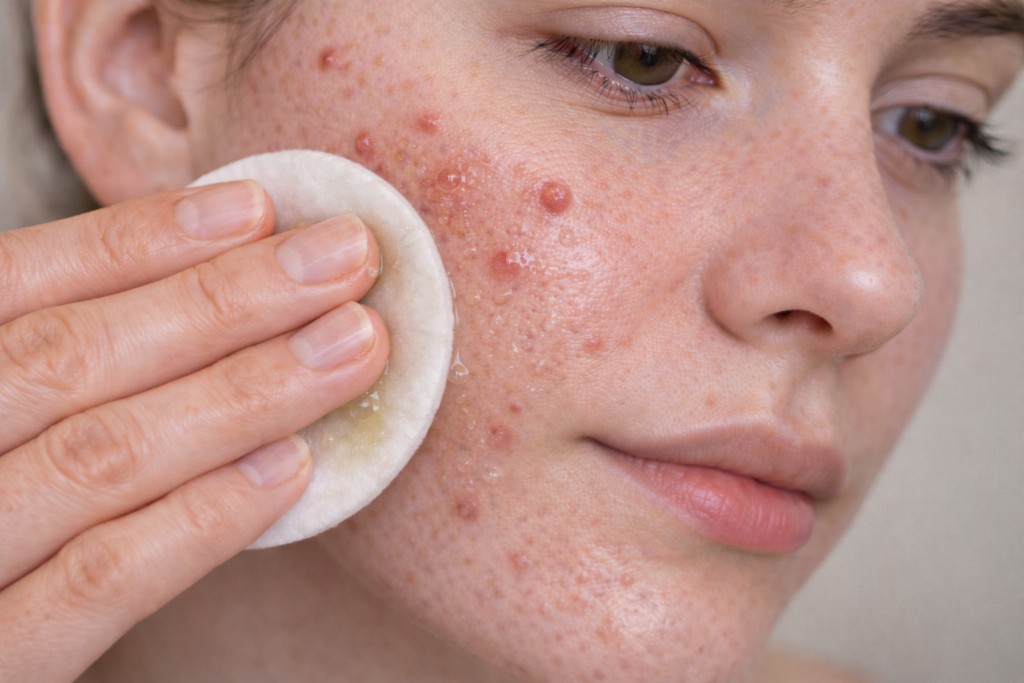
Many people ask me if they really need a toner. To be honest, it depends on the product. For oily skin, a good toner can help remove any leftover dirt. It also helps to balance your skin after washing.
I’d recommend a toner that is alcohol free. Alcohol can dry you out too much. When your skin gets too dry, it gets oily again to compensate. It is a bit of a cycle. Look for ingredients like witch hazel or rose water.
Using a toner is easy. Just put a little bit on a cotton pad and swipe it over your face. You will feel a cool sensation. It feels really refreshing, especially in the morning.
Step 3: Treating the Acne
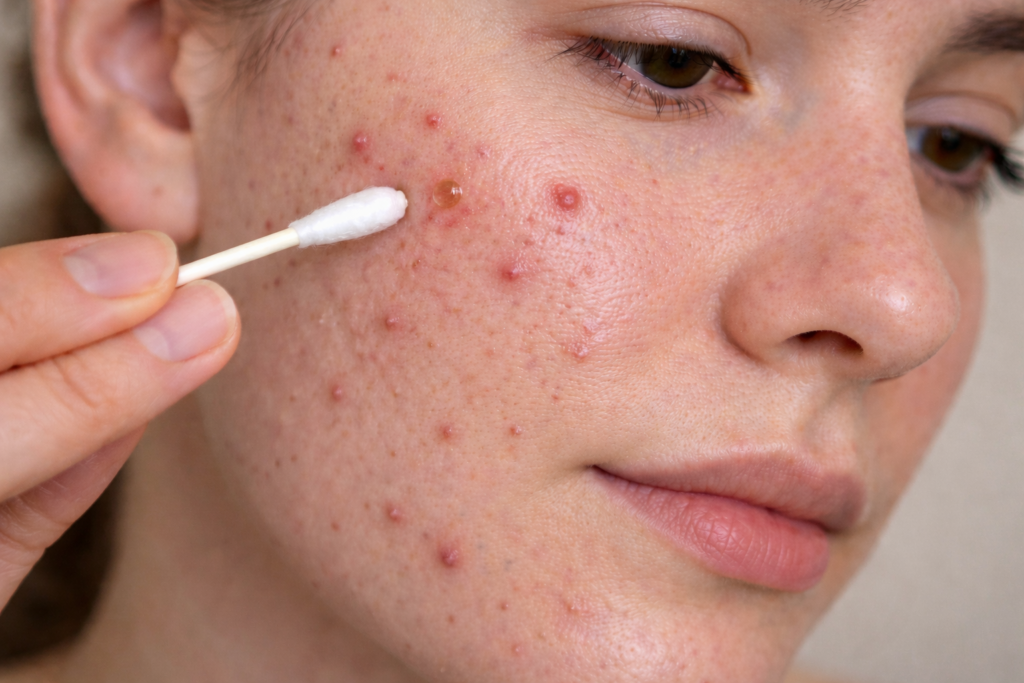
This is the part where we target the pimples directly. If you have a big breakout, you might want to use a spot treatment. These are strong creams you put only on the bumps.
Common ingredients for this are benzoyl peroxide or sulfur. These help to kill the bacteria that cause acne. One tip is to only use a tiny bit. You do not want to burn the healthy skin around the pimple.
Besides spot treatments, you can use a serum. A serum with niacinamide is great for oily skin. It helps to shrink the look of your pores. Plus, it calms down redness. I feel like this is good for anyone with acne.
Step 4: Moisturizer
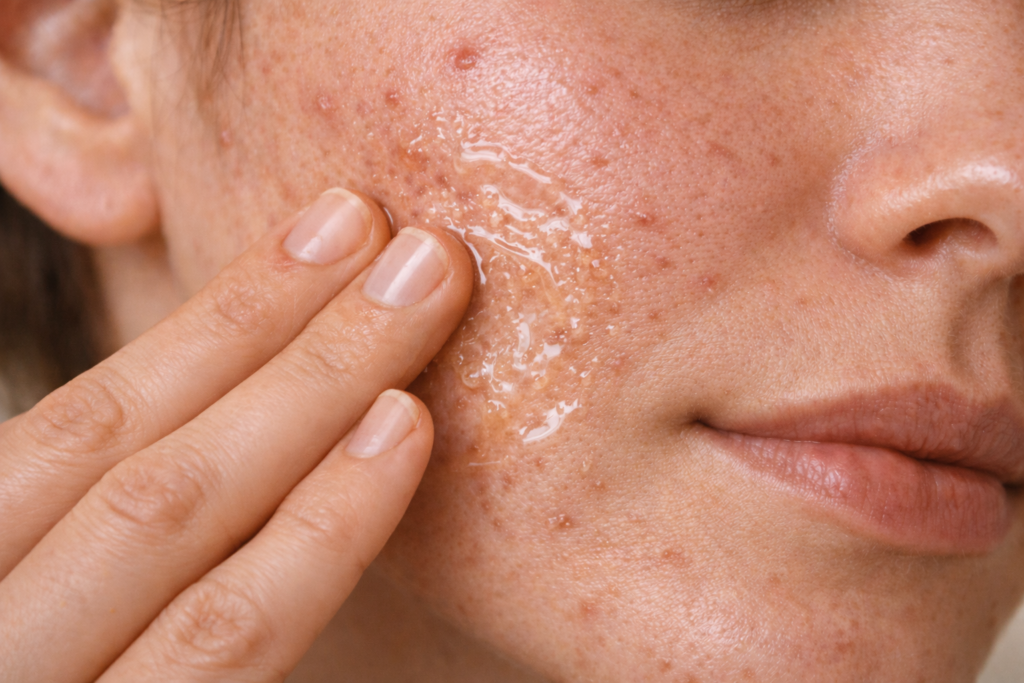
I know what you are thinking. Why would I put moisturizer on oily skin? But here is the deal. If you skip moisturizer, your skin gets thirsty.
When your skin is thirsty, it makes more oil. To stop this, you need a light, oil free moisturizer. Look for the word non-comedogenic on the label. This is a fancy word that means it will not clog your pores.
I suggest a gel based moisturizer. These feel like water and soak in very fast. You won’t feel greasy or heavy. Honestly, it makes your skin feel soft and balanced. Don’t forget to apply it while your skin is still a bit damp from the toner.
Step 5: Sun Screen
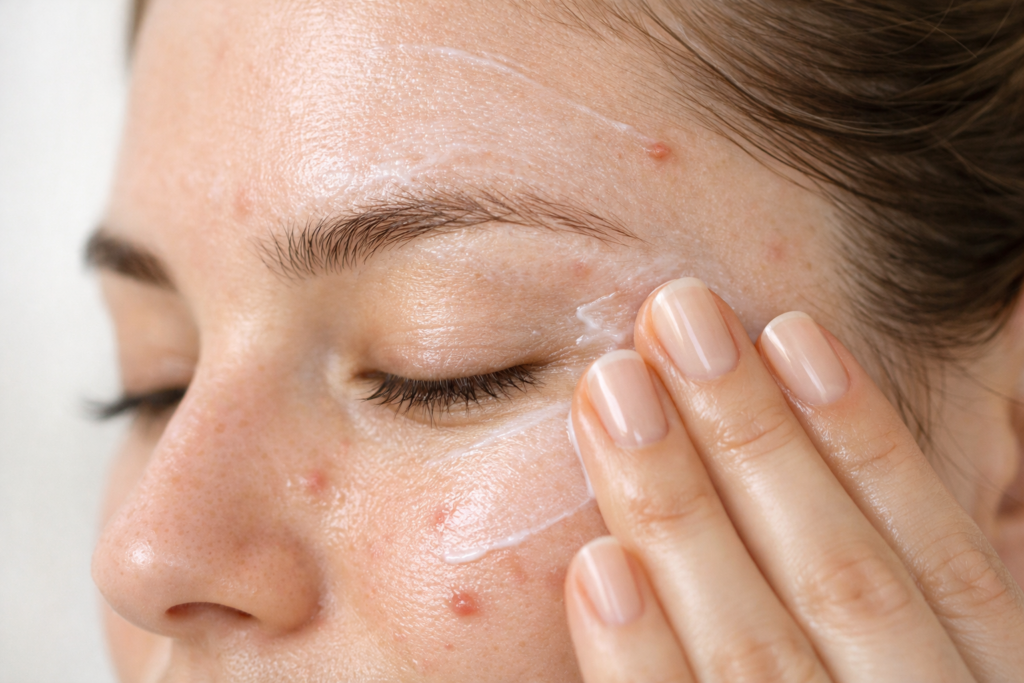
If you live in a sunny place, you need sunscreen. Actually, you need it even if it is cloudy. Some acne medicines make your skin very sensitive to the sun. If you get a sunburn, it can make your acne scars stay for a long time.
You might worry that sunscreen is too thick. Nowadays, they make very light sunscreens just for oily skin. Many people find that a matte finish sunscreen works best. It helps to soak up extra oil during the day.
Make sure to apply it every morning. Think about it as a shield for your face. It keeps your skin young and prevents dark spots from pimples.
Finding the Right Products
When you go to the store, it can be scary. There are so many boxes and bottles. My advice is to read the back of the bottle. Look for the keywords like non-greasy or sebum control.
You do not have to buy the most expensive brands. Many cheap products work just as well. What matters is the ingredients inside. If it has salicylic acid or benzoyl peroxide, it is probably good for acne.
Staying Patient
I want to be real with you. Your skin will not change overnight. It usually takes about four to six weeks to see a big difference. This is because your skin cells take time to grow and change.
Do not get discouraged if you still get a pimple next week. It is totally normal to have ups and downs. Just keep going with your routine.
FAQs
1. Does drinking water clear acne?
A. Water is great for your overall health. It helps keep your skin hydrated. However, it usually cannot cure acne all by itself. You still need a good skin care routine to see real results.
2. Can I use lemon juice on my pimples?
A. I would not recommend that. Lemon juice is very acidic and can sting your skin. It can also make you very sensitive to the sun. It is much safer to use products made for your face.
3. How often should I exfoliate?
A. For oily skin, you might want to exfoliate two or three times a week. This helps remove dead skin cells. If you do it every day, you might irritate your skin and cause more redness.
4. Is oily skin a bad thing?
A. Not at all. Actually, people with oily skin often get fewer wrinkles as they get older. The oil keeps the skin stretchy and hydrated. You just have to learn how to manage the extra shine.
5. Why does my acne get worse before it gets better?
A. This is sometimes called purging. Some products speed up how fast your skin cells move. This can bring hidden pimples to the surface all at once. It usually goes away after a few weeks.
Final Thoughts
I know it can feel like a lot of work to keep the shine away. Honestly, I have been there and I get it. But with this simple plan, you can really make a difference.
One tip is to be patient. You might have some good days and some oily days, and that is totally normal. Just keep following the steps and let your skin heal.
I am here to support you every step of the way.